
Industrial space to let in Hughes Boksburg near OR Tambo
300m² to 10,000m² industrial space in Hughes Boksburg near Jet Park. Suited to logistics, distribution and growing businesses needing access and efficiency.
Introduction
If you’re looking at industrial space on the East Rand and need to stay close to OR Tambo without stepping straight into Jet Park pricing, Hughes is usually where the conversation lands.
It’s not the cheapest pocket anymore, and it’s not trying to be premium either. What it gives you is usable, functional space with access that actually works day to day. That’s what most businesses care about once you strip things down.
Over the last few years, things have shifted. Vacancy has tightened, stock doesn’t sit long, and rentals are no longer drifting. Even older units are firming up because there aren’t many alternatives in the same price band.
So the real question isn’t whether Hughes is a good area. It’s whether it lines up with how your operation runs on a daily basis.
Area Overview
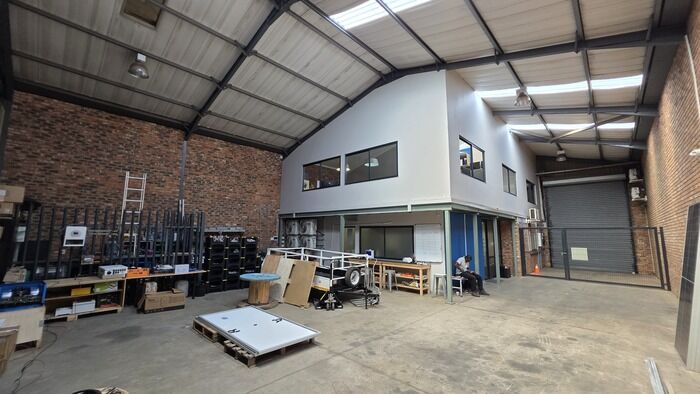
Hughes sits in a well-positioned part of Boksburg, right between Jet Park, Bartlett and the broader East Rand logistics spine. On paper, it makes sense. In practice, it works because of how quickly you can move in and out of the area.
You’re close enough to OR Tambo to benefit from it operationally, but not so close that you’re paying a premium purely for proximity. That balance is what’s driven the steady demand in the area.
The node has matured over time. Older industrial pockets nearby still carry a mix of outdated facilities and inefficient layouts. Hughes has seen steady upgrades and redevelopment, which has improved the overall quality of space available.
It’s no longer an overflow option. It’s become a primary node for a lot of tenants.
In simple terms, it sits in a middle ground that works:
- more affordable than Jet Park
- more consistent than parts of Isando
- better positioned than Bartlett
If you’re comparing areas, Jet Park tends to push rentals higher quite quickly, while Hughes gives you a bit more room to operate without losing access.
Business and Market Insights
Spend a bit of time in Hughes during working hours and you’ll get a clear sense of what kind of node it is. This isn’t passive industrial space. It’s active, operational, and constantly moving.
You’ll see:
- delivery vehicles in and out
- interlink trucks loading
- courier fleets rotating
- staff shifts changing
That tells you a lot about tenant profile.
The businesses that choose Hughes tend to be operationally focused. They need space that works, not space that looks good on a brochure.
Common users include:
- e-commerce fulfilment
- FMCG distribution
- courier and logistics
- import and export operators
- light manufacturing with storage
There’s also a noticeable pattern in how tenants behave. Businesses don’t just move into Hughes and leave. They tend to scale within the area, taking larger units nearby as they grow. That kind of movement is usually a sign the node is working properly.
Hughes have become a node that businesses rely on when they outgrow older industrial areas nearby.
There’s a steady inflow from places like Isando where infrastructure is starting to fall behind. Power constraints, poor layouts and access issues are pushing businesses to upgrade, and Hughes sits in that practical upgrade bracket.
Infrastructure and Accessibility
Access is one of the main reasons Hughes works, but it’s worth understanding how that plays out in reality.
The area connects directly to:
- the R21 toward OR Tambo and Pretoria
- the N12 toward Johannesburg
- the R24 toward the northern corridor
From most parts of Hughes, you’re roughly 5 to 10 minutes from OR Tambo International Airport. For logistics-driven businesses, that proximity makes a real operational difference.
Traffic does need to be factored in. The R21 and N12 interchange can slow down during peak periods, and most established operators plan around that by adjusting dispatch schedules.
For staff, access is decent but not perfect. Gautrain access via Rhodesfield and OR Tambo helps, and taxis service the area, but a number of businesses still provide transport for shifts.
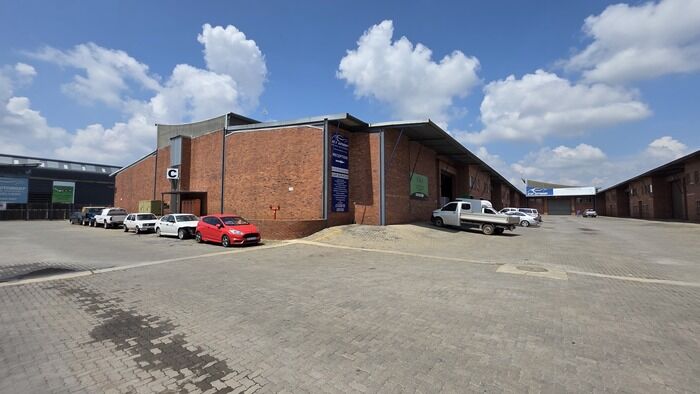
From a trucking perspective, newer developments in Hughes are designed properly. Road widths, turning circles and yard configurations generally support superlink movement.
Property Landscape
If you’re actively looking for industrial property to let in Hughes, the easiest way to understand it is by breaking it down into size categories.
Smaller units 300m² to 800m²
These are typically found in multi-tenant or sectional title parks. Layouts are simple and practical, with a small office component and warehouse space behind.
They suit:
- small logistics operators
- light manufacturing
- service-based users
Typical features include:
- 4 to 6 metre eaves
- single roller shutter access
- limited yard space
- basic office fit-out
Availability in this range is usually tight.
Mid-size warehouses 800m² to 3,000m²
This is where most demand sits. A large portion of Hughes operates in this bracket because it gives enough space to function efficiently without moving into large-scale cost structures.
Typical specs:
- 6 to 8 metre eaves
- multiple roller doors
- 3-phase power
- functional office components
- secure environments
This is also where units move the fastest. If something is priced correctly and works operationally, it doesn’t stay available for long.
Large facilities 3,000m² to 10,000m²+
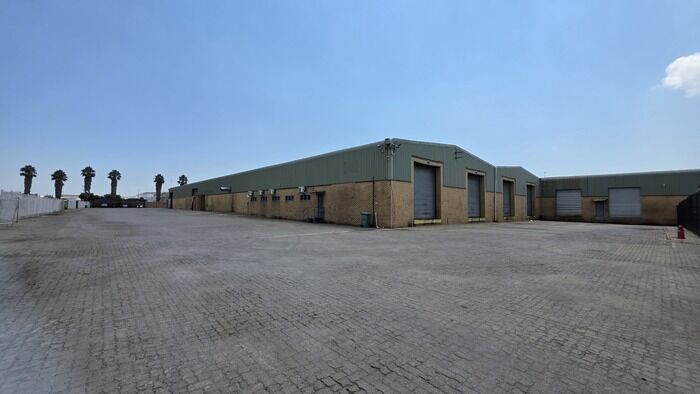
These are generally newer builds or upgraded standalone sites along main access routes.
They cater to:
- distribution centres
- regional hubs
- high-volume operators
Typical features:
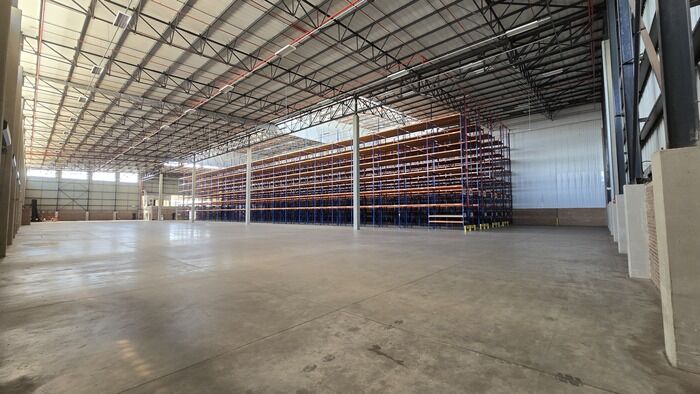
- 8 to 11 metre eaves
- large yard areas
- superlink access
- multiple loading points
- higher power availability
Industrial Parks and Key Developments in Hughes
While Hughes isn’t driven by a single flagship industrial park, there are a few established developments that give a clear picture of what’s available in the area.
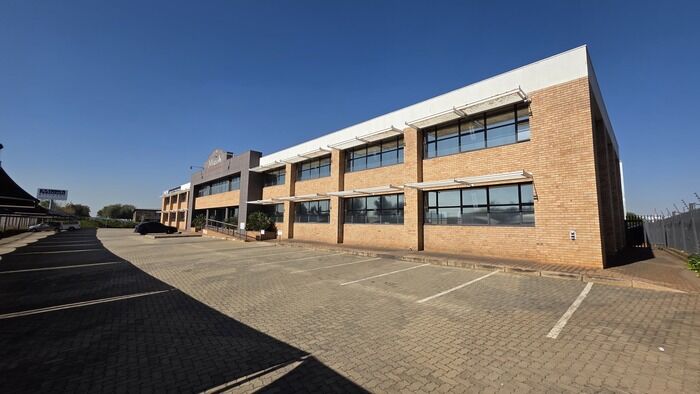
Hughes Industrial Park is one of the more upmarket sectional title options. Units typically range between 300m² and 500m² and are well suited to smaller logistics operators or light industrial users who still need a clean, functional setup. The park provides around 60 amps of three-phase power, with height to eaves between 5 and 7 metres. Mezzanine levels are common and are often used for additional storage or office space. The park allows for truck articulation, operates with 24/7 security, and is positioned just off Romeo Street.
Prospur Business Park caters to smaller operators, with units ranging from around 100m² to 150m². These spaces work well for owner-managed businesses or light industrial users who need flexibility without committing to larger space. The park offers 24/7 security, but truck access is limited, so it’s not suited to logistics-heavy operations.
Centric Park, also located on Romeo Street, provides a mix of retail and industrial space ranging from roughly 500m² up to 5,000m². The larger units offer good height, integrated office components, and proper truck articulation. Power supply is more moderate, with most units sitting around 60 amps of three-phase power, which suits distribution and storage users.
In addition to these parks, Hughes also features a number of standalone industrial properties along the N12. These sites tend to sit on larger stands with better visibility and access, which is why they attract bigger operators. You’ll find brands like Sany, Volvo, Oilco and Mercedes-Benz positioned along this stretch, reinforcing the area’s alignment with transport, logistics and equipment-based industries.
Older versus newer stock
There’s a clear gap between older and newer buildings in Hughes.
Older units tend to have:
- lower height
- tighter yard space
- simpler finishes
Newer or upgraded buildings offer:
- improved flow for vehicles
- better stacking height
- stronger security
- more efficient layouts
Functional older space is still being taken up quickly because availability remains limited across the area.
Rental Levels and Market Reality
On paper, rentals in Hughes generally range between R60 and R75 per square metre.
In reality, it depends on the building.
Lower range:
- older facilities
- less efficient layouts
- limited yard
Upper range:
- newer or refurbished units
- better height and access
- improved security
Most deals we’re seeing are settling within this range depending on spec and access.
Because availability is tight, landlords are under less pressure to negotiate aggressively. Rentals are gradually increasing across both new and older stock.
Compared to surrounding nodes:
- Jet Park remains more expensive
- Isando offers cheaper space but with trade-offs
- Bartlett is slightly lower but less strategic
If you wait too long in this market, you lose the unit.
Incentives and Lease Options
Incentives are still part of the conversation, but they’re more measured.
Typical lease structures include:
- 3 to 5 year terms
- 7% to 9% escalations
- deposits based on tenant profile
In some cases, you can still secure:
- tenant installation allowances
- limited rent-free periods
- phased occupation
Negotiation is more likely on:
- larger units
- longer lease commitments
- slower-moving properties
Less likely on:
- well-priced mid-size units
- high-demand parks
Timing matters more than anything else. If a space fits your requirements, waiting for something better can cost you the opportunity.
Lifestyle and Quality of Life
Hughes isn’t lifestyle-driven, but it supports operations well.
Nearby amenities include:
- East Rand Mall
- surrounding retail centres
- restaurants for meetings
- gyms
- hotels like Birchwood and Holiday Inn Airport
It covers the practical requirements without adding complexity.
For visiting clients or travelling teams, proximity to the airport and nearby accommodation makes things easier.
How Hughes Compares to Nearby Nodes
When comparing areas, it usually comes down to trade-offs.
Against Jet Park, Hughes gives you similar access with more manageable rentals.
Against Isando, it offers more consistency in building quality and layout.
Against Bartlett, it benefits from stronger positioning and better highway access.
That balance is why it keeps coming up as a preferred option.
Who Hughes Works For
Best suited to:
- logistics and distribution
- airport-linked operations
- growing SMEs
Less suited to:
- staff-heavy operations reliant on public transport
- heavy industrial users
- businesses needing a corporate environment
It’s a functional node built around movement and efficiency.
Investor Perspective
From an investment perspective, Hughes shows stable fundamentals.
Low vacancy supports:
- consistent tenant demand
- reduced letting risk
- steady rental growth
Tenant retention is also strong, with businesses expanding within the area rather than relocating.
It’s a stable node with gradual upside rather than a speculative play.
Final Thoughts and Broker Summary
Hughes has shifted into a different category over time. It’s no longer an alternative option. It’s one of the primary industrial nodes for businesses that need access, functionality and realistic pricing.
The main pressure point is supply.
Availability remains tight, which continues to push rentals upward and reduces the window to secure space. That applies across both newer developments and older buildings.
From a leasing perspective, the approach needs to be clear and decisive. Know what you need, move when you find it, and don’t assume better options will appear.
From an investment perspective, the story is consistency backed by demand.
If your business depends on access, movement and usable industrial space, Hughes continues to deliver where it matters.
Available Property in Hughes
Business Parks in Hughes
Notable office and industrial parks in this area
Boksburg Hughes Business Park
Saligna Street, Boksburg
Hughes Industrial Park
Romeo Street, Boksburg
Merinda Industrial Park
Rudo Nell Road, Boksburg
Mini Business Park
Rudo Nell Road, Boksburg (1)
Prospur Business Park
North Rand Road, Boksburg
Featured Properties

BLOCK D - BACK UNIT
Centric Park
3,064 m² warehouse to rent in Centric Park, Hughes. Ideal for warehousing and logistics. Includes office space, gantry tracks, and Superl...

Matthew Smith
Candidate Property Practitioner

UNIT 5
Saligna Park
This industrial unit in Saligna Park, Jet Park offers a practical warehouse and office combination suited to logistics, light manufacturi...
Matthew Smith
Candidate Property Practitioner

UNIT A - EX MICAH KITCHENS
2 Saligna Street
6,553m² warehouse to let on Saligna Street, Hughes, Boksburg. Ideal for logistics or light industrial use. Includes yard, power, and secu...
Matthew Smith
Candidate Property Practitioner

UNIT 3
3 Herman Pieters
This 260m² industrial unit in Hughes, Boksburg is well configured for mechanics, panel beaters, and light manufacturing businesses needin...
Matthew Smith
Candidate Property Practitioner
Find Your Perfect Space in Hughes
Browse our complete inventory of offices, warehouses, and retail spaces available in this prime location.
View all properties in Hughes