
Johannesburg’s Most Strategic Logistics Node: Industrial Space to Let in Spartan
Explore industrial and logistics space to let in Spartan. Insights on rentals, demand, and why this East Rand node is surging in 2026.
Why Spartan Is Leading Industrial Property Trends in Johannesburg’s Logistics Market
Spartan’s logistics node on Johannesburg’s East Rand is seeing rising demand for industrial and logistics space to let, driven by its proximity to the airport, efficient transport access, and functional warehouse design. Low vacancies and stable rental growth position it as a cost-effective alternative to premium logistics nodes in 2026.
Industrial property trends in Johannesburg are increasingly shaped by logistics-driven nodes, and few areas illustrate this shift better than Spartan on the East Rand.
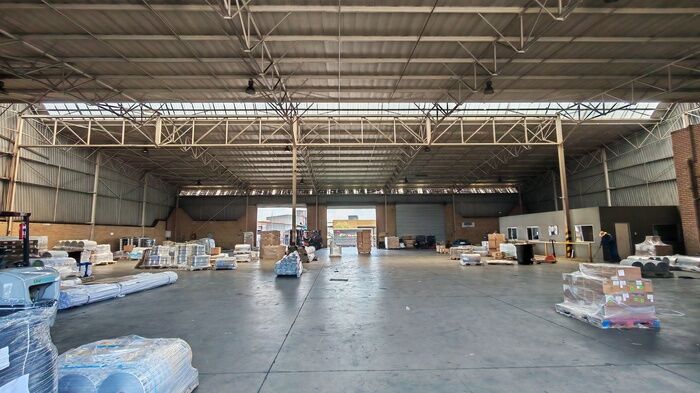
The area, particularly its newer logistics-focused pocket, has evolved into a high-performance distribution node with prime industrial units to let in Spartan. Unlike older industrial zones with higher site coverage and limited yard space, this section is purpose-built, or at least functionally aligned, for modern logistics requirements.
Macro drivers influencing this node include:
-
Continued growth in e-commerce and last-mile distribution
-
Increased demand for regional and national logistics networks
-
Rising importance of airport-adjacent industrial nodes
-
Cost-conscious occupiers prioritising efficiency over prestige
The proximity to O. R. Tambo International Airport is a defining feature. For occupiers moving high-value, time-sensitive goods, this is not a convenience; it is a strategic necessity.
At a broader level, Johannesburg’s industrial market is tightening in well-located logistics corridors, with Spartan emerging as a mid-tier alternative to premium nodes like Jet Park, but with strong functional advantages.
Demand Trends and Tenant Behaviour
Demand in Spartan’s logistics pocket is highly specific and operationally driven.
Who is taking space?
-
Logistics and distribution companies
-
FMCG and import/export operators
-
E-commerce fulfilment businesses
-
Light assembly and packaging firms
What are they looking for?
Tenants are no longer just leasing “space”, they are leasing operational efficiency. Tenants searching for warehouse to let in Spartan are prioritising:
-
Larger yard ratios for truck movement
-
Multiple roller shutter doors
-
Dock levellers for high-throughput loading
-
Sprinkler systems to support high stacking and compliance
-
Lower site coverage, enabling circulation and expansion flexibility
Key behavioural shifts
-
Function over finish: Tenants prioritise yard and flow over office aesthetics
-
Decentralised distribution: Businesses are splitting operations across multiple nodes
-
Speed to occupation: Ready-to-occupy buildings outperform speculative developments
-
Transport accessibility for staff: Proximity to taxi routes and Gautrain Rhodesfield Station-adjacent infrastructure is increasingly relevant
This is not a speculative tenant market. It is demand-led by operational necessity, which tends to be more resilient.
Supply, Vacancy and Development Trends
Although balanced, the availability of industrial space to let in Spartan remains constrained.
Vacancy trends
-
Vacancies are short-lived, particularly for units between 1,000 m² and 5,000 m²
-
Well-configured logistics facilities are absorbed quickly
-
Older or functionally constrained buildings take longer to lease
Supply profile
-
Predominantly freestanding buildings
-
Limited new speculative development
-
Increasing pressure on available stock due to sustained demand
Notable industrial parks reinforcing the node include:
-
Deka Park
-
Tradewinds Park
-
Pinehurst
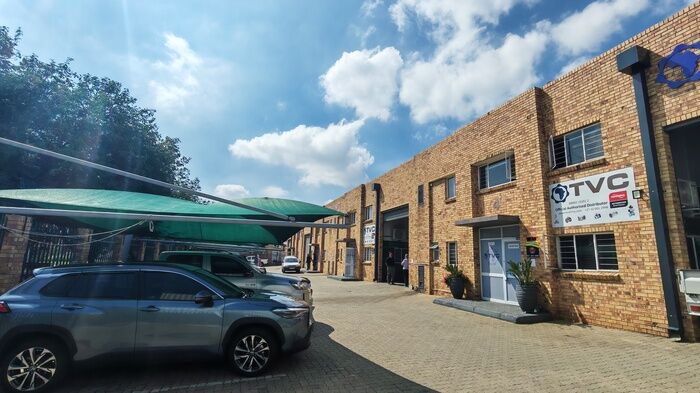
However, the node is not park-dominated. Its identity is shaped by standalone, logistics-ready facilities that often outperform park-based units due to their flexibility.
Rental Trends and Cost Pressures
Rental dynamics in Spartan reflect broader industrial trends in Johannesburg.
Rental direction
-
Rentals are stable to moderately increasing
-
Premium logistics-ready facilities command above-average rates
-
Older stock remains competitive but under pressure to upgrade
Cost drivers
-
Electricity: Escalating tariffs and reliability concerns are pushing tenants toward energy-efficient buildings
-
Municipal charges: Increasing operating costs impact total occupancy cost
-
Construction costs: Rising input costs limit speculative development, constraining future supply
The result is a market where well-located, functional space is becoming more valuable, while secondary stock risks obsolescence.
Key Nodes Driving Logistics Activity
While Spartan is a standout, it operates within a broader East Rand logistics ecosystem:
Spartan
-
Airport proximity
-
Strong logistics functionality
-
Competitive rentals relative to Jet Park
Jet Park
-
Premium logistics node
-
Higher rentals
-
Strong multinational tenant base
Pomona
-
Newer developments
-
Larger logistics facilities
-
Growing distribution hub
Isando
-
Established node
-
Mixed-quality stock
-
Strategic location but ageing infrastructure
Meadowdale
-
Strong centrality
-
Limited vacancy
-
Increasing rental pressure
- Industrial units to let in Meadowdale
Spartan’s competitive advantage sits between cost and capability, making it a strategic middle-ground option.
Opportunities in the Current Market
-
Tenants can secure high-functionality space at sub-premium rentals
-
Investors can target logistics-ready freestanding buildings with strong tenant retention
-
Related Properties
 TO LET B GRADE
ENTIRE PROPERTY
15 Derrick Road
SECURITY WHEELCHAIR FRIENDLY BACKUP GENERATOR STANDALONE NATURAL VENTILATION BALCONY ROLLER SHUTTER DOORSThis industrial property in Spartan offers strong exposure onto Derrick Road. The property is positioned within one of the East Rand’s mo...
R161 895 ex VAT /moRate R50 /m²Size 3225 m²Parkings 20
Ewan Sharp
Candidate Property Practitioner
 TO LET B GRADE
UNIT 1
12 Hamburg Street
SECURITY WHEELCHAIR FRIENDLY IN PARK NATURAL VENTILATION ROLLER SHUTTER DOORSQuick Property Facts Property Type: Industrial warehouse with officesLocation: Aeroport Spartan, Kempton ParkTotal GLA: 500m²Warehouse A...
R37 500 ex VAT /moRate R75 /m²Size 500 m²Parkings 10
Ewan Sharp
Candidate Property Practitioner
 TO LET B GRADE
UNIT 1
55 Loper Avenue, Aeroport
SECURITY STANDALONE IN PARK NATURAL VENTILATION ROLLER SHUTTER DOORS TRUCK ARTICULATIONWell-rounded A-grade industrial unit offering 850m² warehouse and 242m² of usable double-volume offices with reception, boardroom and pri...
R82 097 ex VAT /moRate R75 /m²Size 1092 m²Parkings 15
Ewan Sharp
Candidate Property Practitioner
 TO LET A GRADE
WHOLE PROPERTY
45 Director Road, Spartan
INTERNET WHEELCHAIR FRIENDLY BACKUP GENERATOR STANDALONE NATURAL VENTILATION BALCONY ROLLER SHUTTER DOORSThis industrial facility in Spartan, Kempton Park is a proper logistics setup with a strong yard component and full truck...
R166 500 ex VAT /moRate R90 /m²Size 1850 m²Parkings 25
Ewan Sharp
Candidate Property Practitioner